
Data Center’s and the Community Response
What they are, what they aren't, and where they shouldn't be
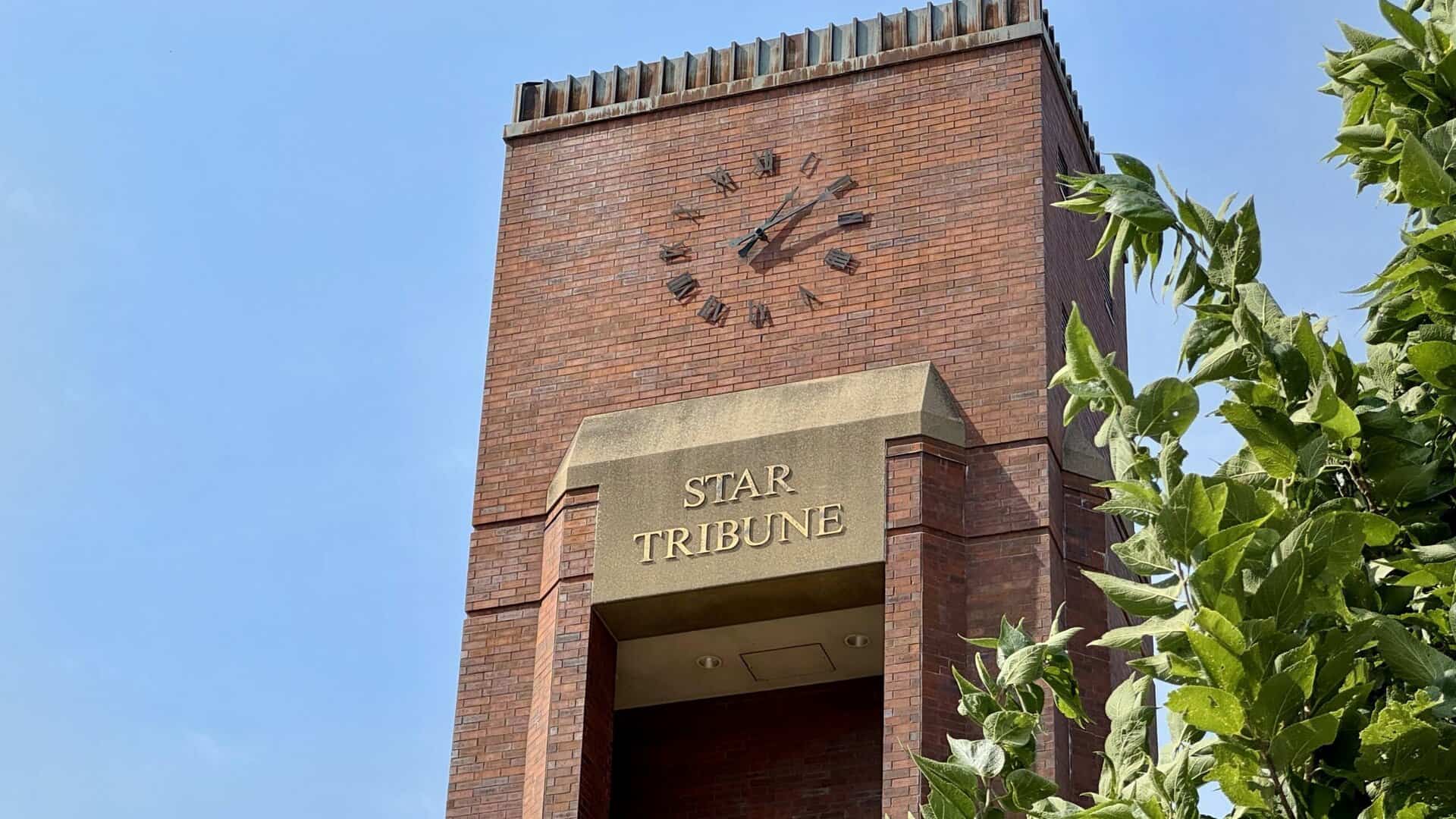

On September 5, climate and equity team leaders from Unidos scrambled to pull together a meeting at Bruhaven Craft Co., a local brewery just outside of the Wedge settled squarely in the Loring Park neighborhood. There was an active purchase agreement in the works between an out-of-state investor and the old Star Tribune Building in the North Loop of Minneapolis. With less than five days’ notice, Data Center Community Action Plan organizers were able to successfully wrangle twenty-one leaders from across Minneapolis via our web of neighborhood organizations. The turnout, especially considering the holiday weekend that gives many Minnesotans an excuse to plan a trip up north, spoke to the concern shared about Data Centers across Minneapolis.
On a personal note, it may surprise you to learn that I am not certain of many things in life. But, if I were to wager one certainty, it may very well be that data centers are not leaving anytime soon- at least not in regards to how frequently the term is mentioned in your work or personal life, in policy rhetoric and discussions, their impact on the planet, and so on. What Data Centers are can seem staggeringly broad – IBM defines them as any physical room or building that stores information via IT infrastructure to build, run, and deliver applications and/or services.
Data centers are nothing new to our modern society. Minneapolis currently has 8 according to Unidos’ research. Rochester, MN as another example had one of the largest Data Centers in the world in the 1990s and beyond – IBM (the largest employer for the city of Rocheser, MN from 1960-1966, and the second largest employer for the city after Mayo Clinic today). Key breakthroughs and early models of super computers were even made at this site – shout out to Watson, the supercomputer built with the goal of competing in Jeopardy in mind. To anyone whose interest is piqued by this, the documentary from 2010 is still available on PBS’ website.
Today, almost every major company or website uses Data Centers regardless of industry. Some examples include Amazon, Spotify, Netflix, EA Games, L’Oreal, NASA, Coursea, Zoom, all major phone companies and most major credit card companies according to the research collected by Unidos. So if data centers are here to stay, why are many community members so anti data center? With the scale of Data Center construction continuing to grow larger and larger, there is still little to no oversight from governing bodies. And as the number of centers increase, so does the environmental impact. A report by Ceres, a nonprofit based in sustainability advocacy in Massachusetts, found that powering data centers in seven states used approximately 3.4 trillion gallons of water. Additionally, 78% of the electricity in those seven states came directly from power plants that used water to operate and faced medium-high to extremely high water stress. The Sparks Notes version of the community impact Data Centers have equates to an intensely high usage of water (which has been and will continue to contribute to droughts, particularly in southern states). Electric bills are higher for everyone, adding stress to an aging, overworked electrical grid (which continues to be pushed closer to the breaking point every day), noise pollution and of course good-old-fashioned air pollution.
On Friday, September 11, Legacy Investing backed out of the Star Tribune purchase agreement, apparently due to backlash. Many have celebrated this as a win for Minneapolis, but it’s clear that Data Centers haven’t left the city for good. The conversation is not over. Unidos is asking the community to collaborate across the city to inform a Community Benefits Agreement (CBA). A CBA is not legally binding, however it is a document that can be used to negotiate a mutually respectful coexistence of data centers with the urban populations they exist beside. In regions that have successfully negotiated with municipalities (noteworthy examples include Lancaster, PA and Stillwater, OK) and tech investors, a CBA was essential and created a framework that informed a later city ordinance.
Accepting the fact that this will come up again, Unidos is continuing to ask neighborhoods to participate in one of several categories – researching relevant information pertaining to data centers in the community, organizing “house parties” to communicate concerns about data centers to the larger community, outreach to city officials, and social media communications campaigns. Each group has a signal chat for interested parties to join; interested neighbors can visit the Unidos website. Data centers will likely continue to play a part in our day-to-day lives. But what does their future look like in Minneapolis? That’s still for our community to decide.
Subscribe to E-news!
Get the latest events, news, and neighborhood updates!